

Introduction
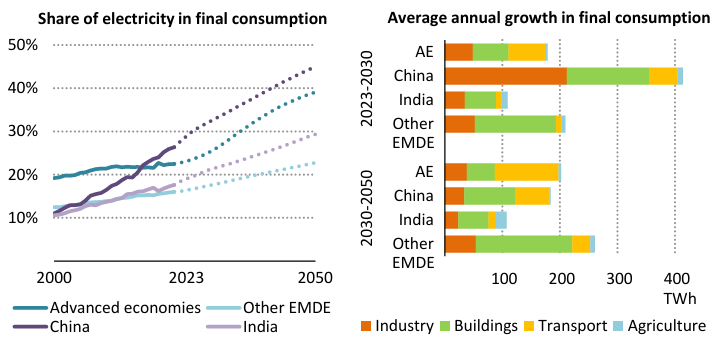
We live in the most interconnected era in history. Businesses, governments, and daily life are increasingly shaped by digital technologies, driving innovation at an unprecedented pace. However, this rapid expansion comes with significant challenges: surging energy consumption, a growing carbon footprint, and escalating data privacy concerns. According to the International Energy Agency’s World Energy Outlook 2024, global electricity demand is rising sharply, with data centers and cloud computing acting as major contributors. While renewable energy adoption is advancing, many industries remain tethered to fossil fuels. The critical question facing the tech sector is clear: How can we build a sustainable digital future without compromising performance or security?
The Environmental Impact of Data Centers
Data centers form the backbone of the digital world, powering everything from social media platforms to AI-driven operations. However, their energy demands are staggering. The World Energy Outlook 2024 forecasts that U.S. data centers alone will account for 12% of national electricity consumption by 2028—tripling current levels. A significant portion of this energy is wasted: 80% of a data center’s power is consumed by cooling systems designed to prevent servers from overheating. This reliance on fossil fuels exacerbates carbon emissions, underscoring the urgent need for energy-efficient innovations.
The Energy Crisis in Computing
The tech industry faces a dual challenge: delivering high-performance solutions while prioritizing sustainability. Cloud storage, video streaming, and AI applications require immense computational power, driving up electricity demand. Despite progress in renewable energy, fossil fuels still dominate global power grids, contributing to environmental degradation. For instance, training a single AI model can emit as much carbon as five cars over their lifetimes. To mitigate this, companies are exploring green software engineering and hardware optimizations.
Green Software and Sustainable Coding Practices
Green software engineering has emerged as a transformative approach to reducing energy waste. Organizations like the Green Software Foundation are pioneering standards for energy-efficient coding, helping developers create applications that minimize computational power and optimize resource use. For example, inefficient algorithms or bloated code can unnecessarily increase server workloads, leading to higher energy consumption. By adopting practices like code refactoring and energy-aware programming, developers can cut energy use by up to 40%.
A groundbreaking example comes from the University of Waterloo, where researchers modified just 30 lines of code in the Linux operating system to optimize data traffic processing. This small change reduced server energy consumption by 30%, demonstrating how minor adjustments can yield massive savings. If implemented globally, such innovations could save millions of kilowatt-hours annually.
Renewable Energy and Green Computing

Transitioning to renewable energy is another pillar of sustainable tech. Tech giants like Google, Microsoft, and Amazon have committed to powering data centers with 100% renewable energy through solar, wind, and hydropower. These companies are also investing in green power purchase agreements (PPAs) to offset carbon footprints. However, small businesses and startups often struggle with the high upfront costs of renewable infrastructure. Governments and private sectors must collaborate to subsidize green energy adoption, making it accessible to all industry players.
Data Privacy in a Sustainable Digital Future
Sustainability isn’t solely about energy—it also hinges on data security. For instance, the Data Protection Authority in Åland recently flagged Microsoft 365 for non-compliance with EU privacy laws due to data transfers outside Europe. Such risks highlight the need for solutions that balance efficiency with compliance. Zero-trust security models and immutable data archiving (like Spictera’s secure snapshots) ensure sensitive information remains protected while adhering to regulations like GDPR.
The Future of Sustainable Technology
The tech industry stands at a crossroads. Current decisions will determine whether computing evolves into a sustainable force or remains an energy-intensive liability. Promising trends include:
- AI-Driven Energy Management: Algorithms optimize data center cooling in real time, slashing power use by up to 40%.
- Serverless Computing: Cloud providers dynamically allocate resources, minimizing idle server energy waste.
- Circular Hardware Economy: Companies like HP are refurbishing old devices, reducing e-waste by 75%.
- Edge Computing: Processing data closer to its source (e.g., IoT devices) reduces reliance on massive data centers.
Integrating these strategies with robust frameworks like the NIST Cybersecurity Framework ensures sustainability efforts align with data protection standards.
Conclusion
The digital revolution’s environmental toll demands urgent action. By embracing energy-efficient coding, renewable energy, and secure data archiving solutions—such as Spictera’s compliant tools—industries can drastically cut emissions while safeguarding data. Collaboration between governments, corporations, and innovators is essential to democratize access to green tech. The future of computing isn’t just about speed or intelligence—it’s about building a cleaner, greener world for generations to come.