Data has become both a powerful tool and a potential liability for businesses in the digital environment. Interactions, from customers, transactions, or interactions with AI, create a data trail that can improve the user experience. A few years ago, this was not considered important by moving conventional approaches to the cloud because it was costly and could be risky for businesses. This has led to a renewed focus on archive storage solutions that offer better control, compliance, and efficiency.
The Hidden Costs and the Compliance Crunch
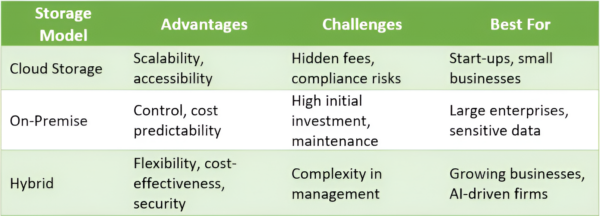
Cloud storage may seem like a lifesaver, but it comes with its own set of hurdles. Hidden costs like data fetches, API calls, tiered storage, and moving data across regions can add up quickly. Compliance is another hurdle, with regulations like GDPR and Basel III imposing hefty fines for mistakes, like storing EU data in a US cloud. This can cost up to 4% of global revenue. For example, Deutsche Bank has these problems, and it shows that transparency and compliance are a must for the firms.
This isn’t just a problem for large enterprises. A 2024 Gartner survey found that more than half of midsize businesses are exceeding their cloud storage budgets. For Startups, especially those leveraging AI and big data, this can be a cost burden. Automation tools are helping. They scan, classify, and validate data in real time, flagging sensitive files and creating audit trails. This reduces human error and speeds up compliance. For example, a healthcare provider cut audit prep time from six weeks to three days using these tools.
Why Decentralized Storage Matters
Comparison of Storage Models
An actual problem is that cybercrime is becoming more sophisticated with AI. Hackers are using bots to find vulnerabilities in cloud storage, and ransomware attacks on legacy archives are common. A hospital paid $3 million to recover encrypted patient records from an unsecured cloud.
Businesses are adopting a decentralized, trustless storage model. Data is split, encrypted, and stored across multiple secure locations. Erasure coding distributes data fragments to ensure continuity even if some nodes fail. Immutable backups prevent data from being changed or deleted. A logistics company recovered 12 terabytes of records within hours of a ransomware attack using this method.
Security and Innovation with Hybrid Models
Forward-thinking companies are using the cloud smarter. They are adopting hybrid architectures that combine cloud accessibility with on-premises controls, offering real-time access to active data while cost-effectively storing less critical archives. For example, a fintech company used intelligent tiering to manage customer applications, reducing storage bills by 60%. A media company decentralized its video archive to eliminate downtime and ensure fast playback around the world. Legal and financial institutions used AI to clean up outdated case files, reducing the risk of data breaches by 40% and saving on storage costs. This approach shows the benefits of efficiency and security.
As businesses adapt to AI-powered operations and ever-tightening regulations, data archiving can no longer be an afterthought. The question isn’t whether to use the cloud, but how. Hybrid models offer the flexibility, scalability, and security today’s organizations need to stay competitive without falling victim to the cloud’s hidden pitfalls.
Emerging technologies are also reshaping storage practices. Quantum-safe encryption is preparing enterprises for the next era of cybersecurity by safeguarding data against tomorrow’s decryption threats, a critical consideration given the rapid advancement of quantum computing. Sustainable archiving solutions, such as energy-efficient tape libraries, are reducing both carbon footprints and utility bills, aligning with corporate sustainability goals.
The Future of Data Archiving: Smarter, Safer, and More Sustainable

We are here to lead this new wave of innovation. Our unified storage solutions offer a seamless blend of AI-driven automation, compliance readiness, and cost optimization. Spictera focuses on energy-efficient, climate-smart green IT data protection solutions, with values centered on flexibility and sustainability. Whether handling sensitive financial data, massive AI training sets, or customer records spanning the globe, Spictera’s approach helps businesses stay agile, secure, and future-ready.
In a world where data fuels everything from decision-making to customer experience, smart archiving isn’t a luxury—it’s a competitive necessity. Businesses that recognize this are already pulling ahead, while those that don’t risk being stuck, are paying for it one hidden fee at a time. This analysis underscores the urgency of adopting smart data-archiving strategies to navigate the complexities of the digital age.
Future-Proofing Your Business with Smart Archiving
As AI and regulations grow, smart archiving isn’t optional—it’s a competitive edge. Hybrid models provide flexibility and security, while innovations like quantum-safe encryption and sustainable tape libraries reduce costs and environmental impact. Our Spictera is leading with unified storage solutions, helping businesses stay agile and compliant. We make sure that problems such as smart archiving risk falling behind, no more hidden fees, and missed opportunities will not take hold.