The cyber threat environment shows how any weak link in your software supply chain system endangers both your organization and your downstream business partners. The latest cautionary tale? SimpleHelp’s Remote Monitoring and Management (RMM) tool has served as an unexpected entry point for ransomware attacks throughout this year.
The United States Cybersecurity and Infrastructure Security Agency (CISA) issued a public advisory that ransomware groups started exploiting a known SimpleHelp software vulnerability in January. The consequences? The utility billing software vendor, along with its client base, suffered a breach, which CISA describes as part of an ongoing pattern of ransomware attacks against unsecured RMM product deployments.
The issue goes beyond a particular vendor’s mistake in this scenario. The situation illustrates a long-standing threat that affects organizations that depend on external software products while emphasizing supply chain security as a critical cybersecurity priority.
What Happened with SimpleHelp?
The core vulnerability responsible for this attack exists as CVE-2024-57727, which affects SimpleHelp versions 5.5.7 and all earlier versions. Attackers without authentication permissions can use this vulnerability to retrieve any files from the compromised server, including confidential configuration documents as well as hashed password data.
CISA reports that SimpleHelp fixed the flaw immediately after disclosure, yet numerous systems continue to stay exposed to ransomware exploitation.
Attackers use the SimpleHelp vulnerability as part of their attacks to break into managed service providers (MSPs) alongside their customer networks, according to reported incidents. Supply chain intrusions produce far-reaching effects because when vendors fall victim to attacks, all their connected customer networks become potential targets.
Supply chain attacks from attackers continue to escalate as a major cybersecurity threat
Attackers have consistently targeted software supply chains as their preferred entry point, but ransomware groups now exploit enterprise tool vulnerabilities that remain unaddressed. SimpleHelp, along with other RMM software, provides attackers with privileged access to multiple client networks, which makes it a desirable target.
The recent supply chain attack mirrors previous notable incidents such as SolarWinds and Kaseya, which used trusted IT management software to simultaneously breach numerous organizations.
The advisory from CISA shows organizations experienced double extortion attacks since attackers both encrypted files and threatened to publish stolen data unless ransom payments were made. Modern ransomware-as-a-service operations have become more sophisticated, thus making data integrity protection and immutable storage solutions essential for defense.
CISA Issues Immediate Action Warning for Organizations to Prevent Future Incidents
CISA warns SimpleHelp users and particularly MSPs who manage client networks through this software to take these essential steps immediately:
- Keep vulnerable SimpleHelp servers away from public internet connections.
- The system must be updated with the latest SimpleHelp version, which includes security patches.
- Perform forensic analysis on the affected system infrastructure.
The advisory advises organizations to analyze their network logs to detect unusual IP connections and unexplained system activity.
CISA suggests organizations should create robust backup systems alongside recovery plans and perform ransomware indicator monitoring and third-party vendor security validation.
Cybersecurity leaders must understand the following implications
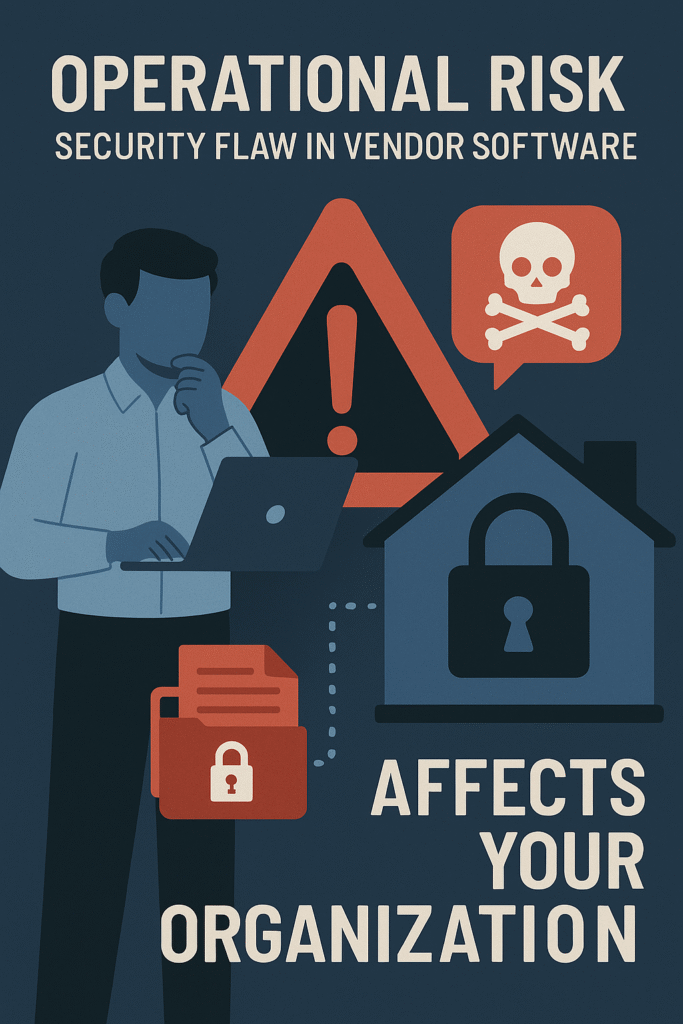
SimpleHelp demonstrates how operational risk now reaches beyond your organizational boundaries. Any security flaw discovered in your vendor software becomes immediately your organization’s responsibility.
The present ransomware operators continuously scan for available RMM tools before attacking vulnerable systems shortly after vulnerability disclosure. Your organization needs to enforce regular vulnerability scanning and immediate patch deployment, and documentation of compliance standards from all MSPs and third-party network management tools.
Security needs multiple layers of protection when such incidents occur:
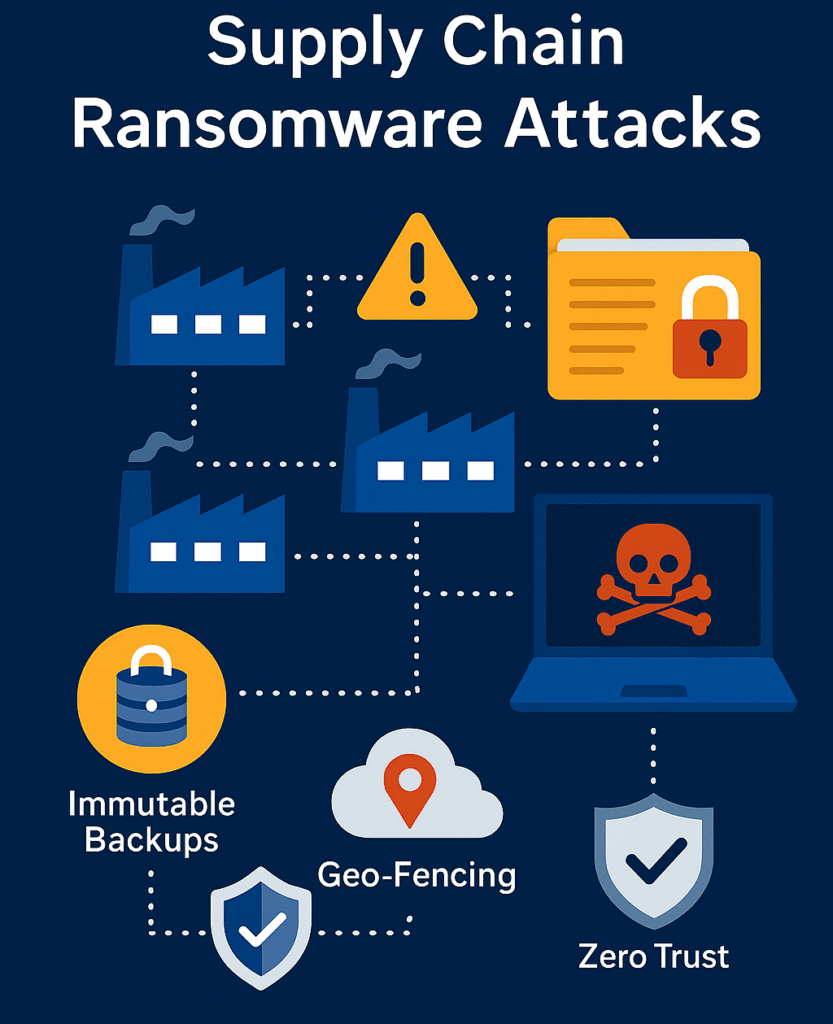
- Vendor access needs to follow zero-trust principles.
- Organizations should prioritize immutable backup solutions to ensure data protection against losses.
- Geo-fencing storage solutions enable organizations to manage where data resides.
- All critical third-party tools should provide software bills of materials (SBOMs).
Looking Ahead!
IT and security teams will encounter supply chain security as a fundamental challenge because cyberattacks advance in complexity. The cost of neglecting patching and architectural resilience, along with monitoring, will result in financial losses from attacks against remote management tools.
Proactive controls such as vulnerability management alongside data archiving solutions with ransomware protection require investment since they are no longer optional.
Businesses that want to establish modern, secure storage and data protection strategies should consider Spictera Unified Storage because it provides ransomware-resilient features, including immutable storage and built-in data deduplication and geo-fencing capabilities.
A single unpatched tool demonstrates how SimpleHelp showed that an unsecured tool can endanger the whole enterprise and its clients.