

The rapid evolution of technology produces corresponding dangers that accompany it. Each new year brings fresh system weaknesses along with advanced methods of attack and audacious criminal entities that threaten organizations at every operational level. 2025 is no exception. The cyber threat landscape becomes increasingly unpredictable due to stealthy ransomware operations combined with hardware-level CPU exploits in 2025.
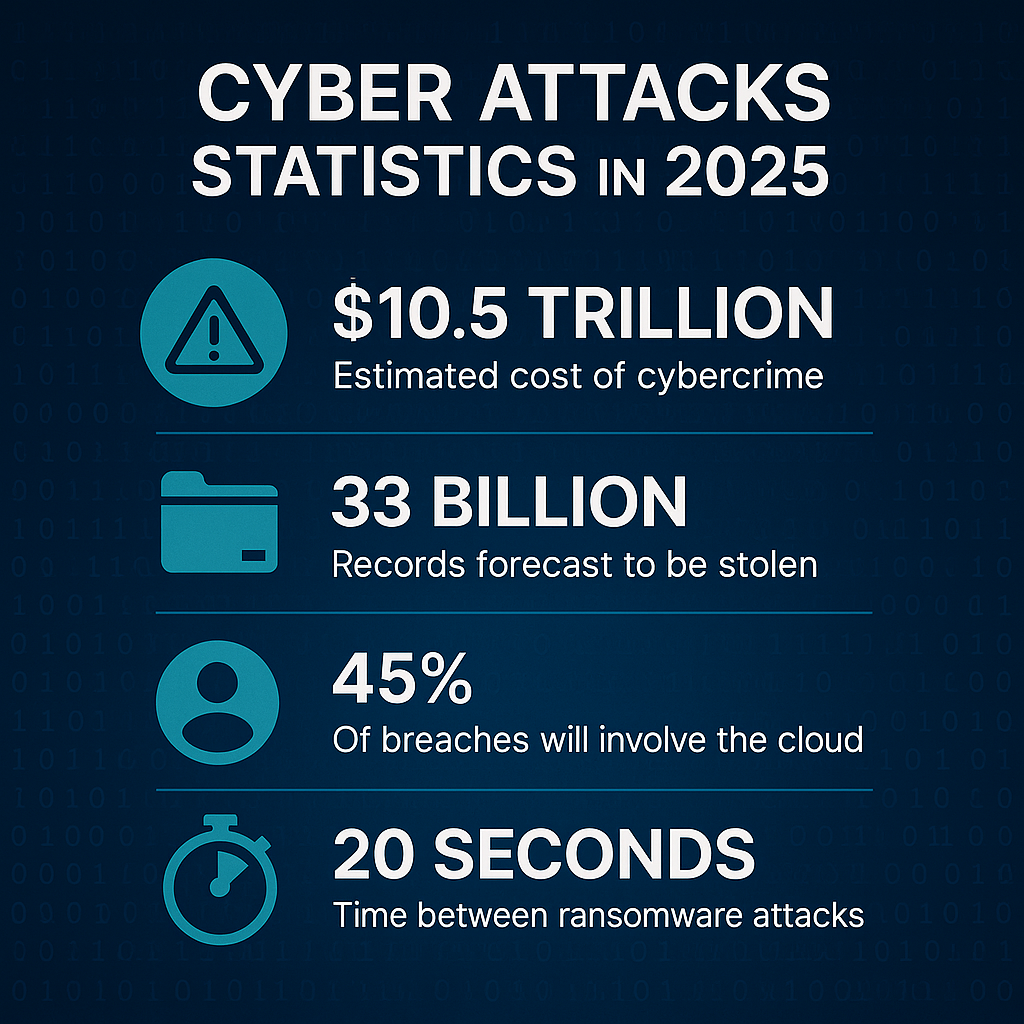
The following emerging cyber threats will affect organizations in 2025
Cybersecurity operates as a quick game of evasion between attackers and defenders, yet 2025 presents a unique danger because hackers exploit previously secure system weaknesses. The following threats stand out in the current year.
1. Hardware-Level Exploits are Back and Smarter
In May 2025, researchers from ETH Zurich announced a dangerous class of hardware-level exploits affecting all Intel CPUs beginning with the 9th generation. The CVE-2024-45332 exploit, known as Branch Privilege Injection, enables unauthorized access to protected memory regions containing system kernels and applications.
This serious threat combines advanced technical complexity with widespread accessibility that affects millions of devices across the globe. Through CPU branch predictor race conditions, malicious actors can steal unauthorized data, including system passwords and cryptographic keys, and system secrets.
Intel issued microcode updates to fix the issue, which exposed how rare hardware vulnerabilities are, yet they create paths for attackers to defeat all software security measures.
2. Ransomware-as-a-Service Gangs are Bolder Than Ever
The U.S. Department of Justice recently issued an indictment against Rami Khaled Ahmed, who is suspected of creating the dangerous Black Kingdom ransomware. Black Kingdom malware operators launched successful attacks on 1,500 worldwide systems between 2021 and 2023 through the exploitation of Microsoft Exchange server vulnerabilities, including ProxyLogon.
The malware operation of Ahmed and his partners stole Bitcoin ransom payments worth $10,000 from various targets, including educational institutions and medical facilities. The government, through its indictment, exposed the growing ransomware-as-a-service model, which provides malicious software for affiliates who conduct attacks to gain profit shares.
The destructive nature of ransomware campaigns like Black Kingdom attacks, together with their ability to exploit already identified vulnerabilities at a fast pace, makes them especially dangerous to organizations.
The Impact of These Incidents on Business Operations
Additionally, as businesses accelerate their cloud migrations, cloud security risks such as misconfigurations, API exploits, and credential leaks have become significant concerns in 2025’s cybersecurity landscape.
- The attack scope of cybercriminals has expanded toward system foundation layers by targeting both software and hardware infrastructure.
- Black Kingdom’s use of ProxyLogon years after its disclosure demonstrates that unpatched systems remain a significant security risk because old vulnerabilities never completely disappear.
- The modern ransomware operations function like business entities through their establishment of service channels and their deployment of negotiators and affiliates to generate financial profits.
A Guide to Protecting Your Business from New Cyber Threats
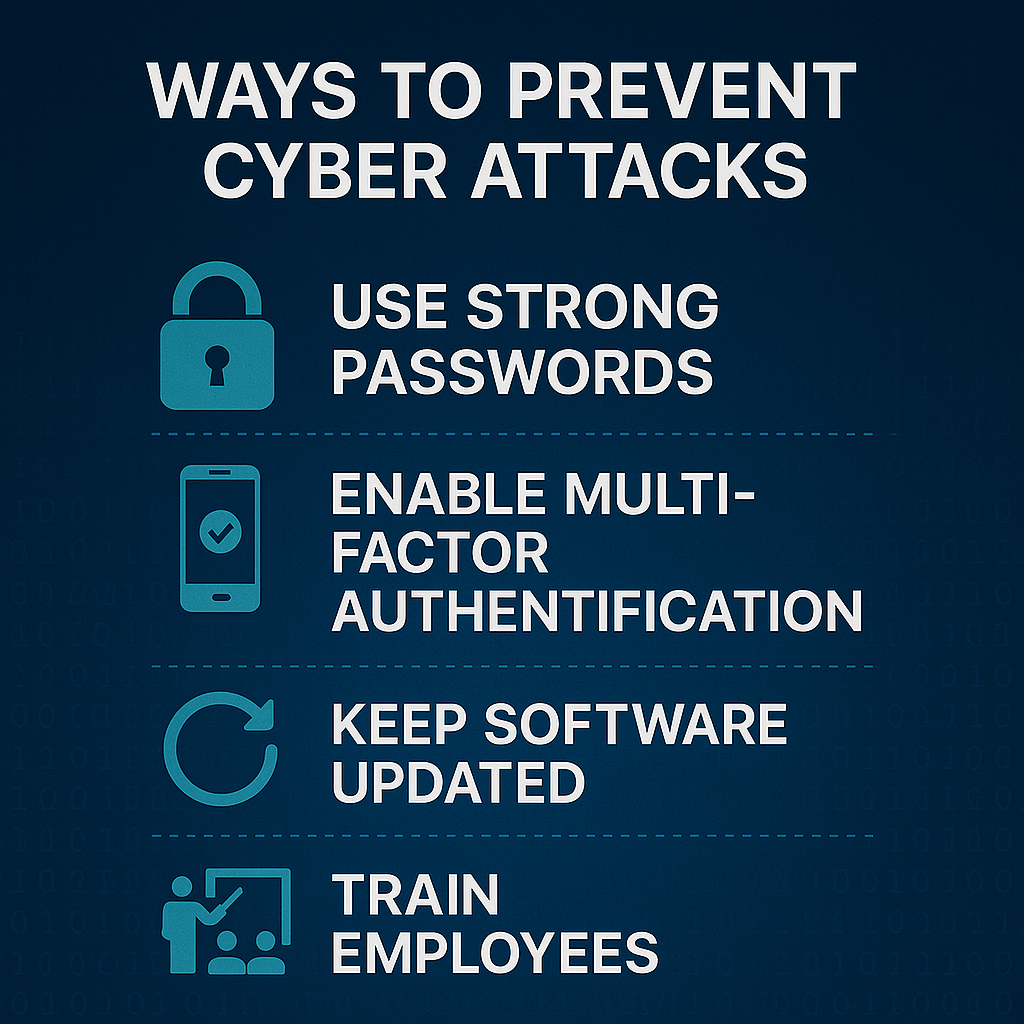
Organizations should focus on risk reduction and preparedness for response rather than trying to avoid every potential threat in their cybersecurity strategy. Here’s what you can do:
Stay Updated with Firmware and BIOS Patches
The hardware flaw CVE-2024-45332 represents a rare occurrence, but it poses a critical risk to systems. Your main priority should be to get microcode and BIOS updates from your hardware vendor.
Don’t Ignore Known Vulnerabilities
All systems must receive security patches that fix documented vulnerabilities such as ProxyLogon. Ransomware gangs perform continuous server and software scanning to identify vulnerable targets.
A data integrity and recovery plan should be implemented by your organization
Your organization should protect sensitive data by using encryption, access controls, redundant backups, and reliable data archiving solutions to ensure critical information remains secure and recoverable during incidents. Your organization needs to develop incident response plans that cover both ransomware attacks and data breaches, and speculative hardware attacks.
Organizations should perform security assessments regularly
Regular vulnerability scanning combined with penetration testing enables organizations to detect security vulnerabilities before cyber attackers can exploit them.
Stay Educated
The field of cybersecurity continues to develop rapidly. Your team requires regular briefings about new risks that emerge as you subscribe to threat intelligence feeds and attend webinars.
Final Thoughts
The expanding security perimeter in 2025 demonstrates that traditional defense borders no longer protect organizations from threats. No business remains immune to cyberattacks since speculative CPU flaws and ransomware-as-a-service gangs target organizations of every size and security level.
The good news? Organizations can effectively lower their exposure through proactive defenses and regular updates, and a well-designed data integrity strategy.
Organizations face inevitable threats, but staying unprepared for threats remains unacceptable.
Our company, Spictera, provides businesses with customized solutions to protect their digital assets from developing risks through our expertise in data integrity and cybersecurity, and data management services. Reach out to us to get more insights and advance protections in your data security!